What Are Teardown Properties Worth in the Philly Suburbs?
How builders actually price a teardown — and why two homes on the same street can be worth very different numbers.
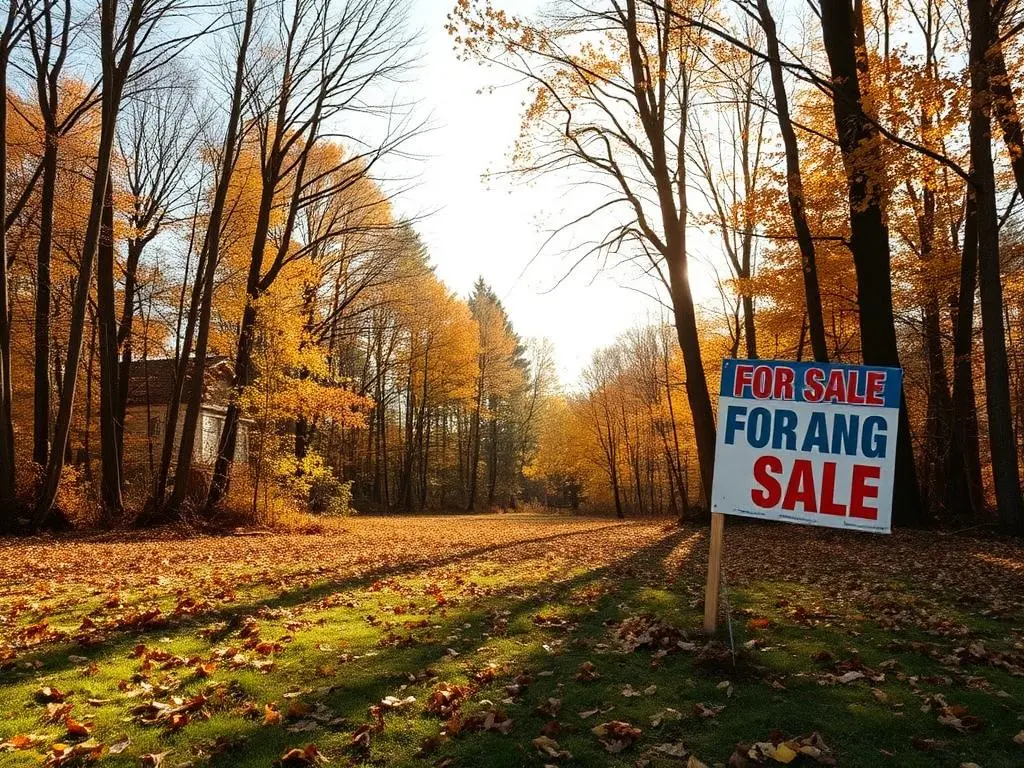
Every week another homeowner in Ardmore, Newtown, or Wayne calls and asks the same question: "A builder slipped a card in my door — is my house actually a teardown, and what is it worth?" It is a fair question and the answer is more specific than most people expect. Teardown value in the Philadelphia suburbs is not about the condition of your house. It is about the land underneath it and what a builder can legally build there.
Here is how the math actually works in Montgomery, Bucks, Chester, Delaware, and Philadelphia counties — and what tends to push the number up or down.
What "teardown" really means
A property gets treated as a teardown when the value of the land — what you could build on it new — meaningfully exceeds the value of the existing house plus the cost to bring that house up to modern standards. In practice, that usually means homes built before 1960 on lots that would now command a much larger or more expensive house if redeveloped.
Some of the most common teardown candidates in our market: postwar capes and ranches in Lower Merion, mid-century splits in Abington and Cheltenham, small bungalows in Doylestown and Newtown boroughs, older twins in Northwest Philadelphia, and dated colonials on oversized lots in Radnor or Tredyffrin.
The math a builder runs in their head
Builders price teardowns from the back of the deal forward. The starting point is the resale price of the new home they would build — call it the ARV, or after-renovation value. From there they subtract every cost, plus a profit margin, and what is left is the most they can pay you. A simplified version looks like this:
- Projected sale price of new home — based on comps from the past 6 to 12 months for newly built homes in the same school district and walkable area.
- Minus hard construction cost — typically $275 to $400 per finished square foot in the Philly suburbs in 2026, depending on finish level.
- Minus soft costs — architect, engineer, permits, township fees, stormwater management, utility tie-ins, surveys. Often 8 to 12 percent of hard cost.
- Minus demo and site work — $25,000 to $60,000 to take an existing home down, depending on size, asbestos, and lot access.
- Minus carry cost — taxes, insurance, loan interest, and utilities for the 12 to 18 months the project runs.
- Minus realtor commission and closing costs on the eventual sale — usually 6 to 7 percent.
- Minus required profit — most builders need 15 to 20 percent of ARV to take on the risk.
What is left is the land value, and that is the upper bound on what a builder can offer you. Builders will not chase a deal that pencils tight, because surprises always cost more than the budget.
Why two houses on the same street can be worth very different numbers
The single biggest swing factor is what the township will let a builder build. Two identical-looking ranches on the same block in Lower Merion can be worth $200,000 apart in teardown value because one is in an R-1 zone with a 50-foot setback and a 35 percent lot-coverage cap, and the other is grandfathered with a wider buildable envelope.
Other factors that move the number meaningfully:
- School district. A teardown in Tredyffrin/Easttown, Lower Merion, Central Bucks, or Unionville commands a real premium because the new home will sell for more.
- Lot size and shape. Flat, rectangular, well-drained lots are worth more than steep, narrow, or wet ones. A creek across the back of a Chester County lot can cut buildable area by half.
- Walkability. Lots within walking distance of a train station (Paoli, Bryn Mawr, Doylestown, Jenkintown) carry a 10 to 20 percent premium.
- Trees and grading. Townships in Montgomery and Delaware County increasingly require tree-replacement plans and stormwater retention that can add $15,000 to $40,000 to soft costs.
- Existing structure. A small house is easier and cheaper to demo than a sprawling split-level with three additions and a buried oil tank.
Rough ranges by county
These are general 2026 ranges for teardown land value (what the lot is worth to a builder, separate from any habitable value of the existing home). Real numbers vary widely by township and school district.
- Lower Merion / Radnor / Tredyffrin (Montgomery, Delaware, Chester): $450,000 to $1,200,000+ for a buildable lot.
- Central / Lower Bucks (Doylestown, Newtown, Yardley): $300,000 to $750,000.
- Abington, Cheltenham, Springfield (Montgomery, Delaware): $225,000 to $500,000.
- West Chester / Malvern / Phoenixville (Chester): $250,000 to $600,000.
- Northwest Philadelphia (Chestnut Hill, Mt. Airy, Roxborough): $150,000 to $450,000.
When you should NOT sell as a teardown
Sometimes the right answer is "list it as a house." If the existing home is genuinely livable, in a strong school district, and in solid structural shape, retail buyers will often pay more than a builder will. Builders need profit baked in; a buyer who wants to live there does not. We see this most often with well-kept 1950s ranches in Bucks County and stone homes in Chester County.
The honest way to find out is to get both numbers on the table at the same time — what a retail listing would net you and what the best teardown offer would be — and choose with full information.
A short checklist before you talk to a builder
- Pull your zoning district from your township website and note setbacks, lot coverage, and height limits.
- Check for any easements or rights-of-way on your deed.
- Note any large trees — many Montgomery County townships protect trees over a certain caliper.
- If you have an oil tank (in-ground or basement), say so up front. Hidden tanks are the single most common deal-killer.
- Ask any builder for the comps they used. A real offer is backed by three to five recent new-construction sales on similar streets.
Get a teardown number and a retail number — side by side.
Sawmill Homes works with vetted builders and retail buyers across the Philly suburbs. A licensed PA agent will walk you through both within 24 hours.
See both numbers