How to Sell a House That Needs Work in Bucks County
Old roof, dated kitchen, basement that smells funny? Here is what actually helps — and what is a waste of money.
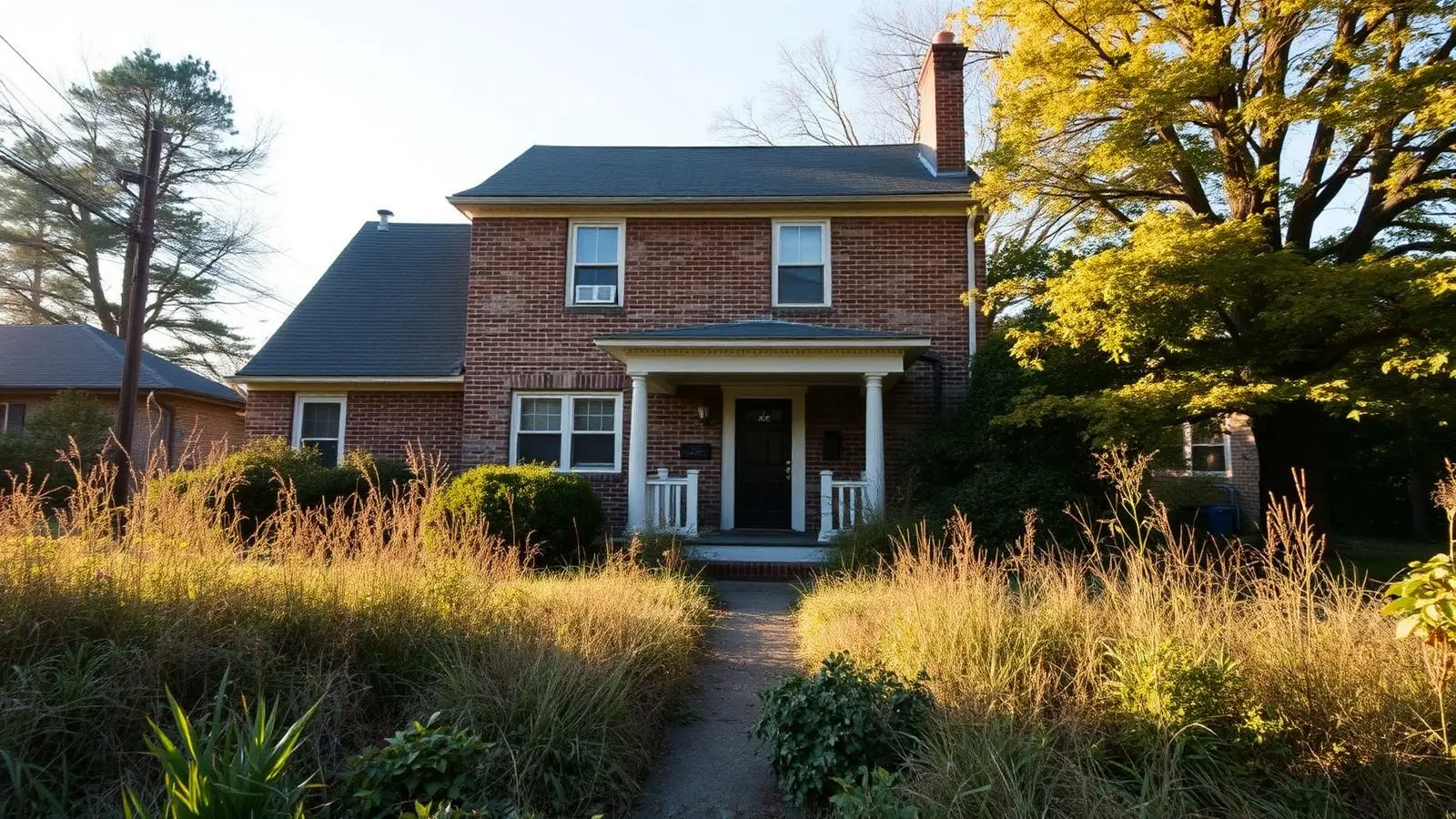
Bucks County has a lot of houses that need work. Some are 1950s capes in Levittown that have never been touched. Some are 200-year-old stone farmhouses outside Doylestown with a roof you can hear from inside the house. Some are perfectly fine homes in Newtown or Yardley that just happen to have a kitchen from 1986. Each one sells — but the right path is different for each.
If you own a home that needs real work and you are thinking about selling, this is the practical playbook. Most of it applies just as well in neighboring Montgomery, Chester, Delaware, and Philadelphia counties.
First: be honest about what kind of "needs work" you have
"Needs work" covers a huge range, and the right move depends on which kind you are dealing with:
- Cosmetic. Old paint, dated wallpaper, worn carpet, tired bathrooms. Nothing actually broken.
- Dated systems. Original kitchen, one bathroom for the whole house, old electrical panel, oil heat.
- Deferred maintenance. Roof at end of life, soft spots in subfloor, basement seepage, failing HVAC.
- Structural or environmental. Settled foundation, active leaks, mold, asbestos, knob-and-tube wiring, in-ground oil tank.
- Distressed. Fire, flood, hoarding situation, code violations, occupied with non-paying tenants.
The first two categories often sell well on the open market. The middle category is a judgment call. The last two almost always sell faster, and often for more net dollars, to a cash buyer.
What is worth fixing before you list
If you decide to list traditionally, do the small things that disproportionately influence how buyers feel walking through the door. In Bucks County in 2026, the highest-return pre-sale spending is almost always the same short list:
- Cut the grass, edge the beds, and put fresh mulch down. $400 to $800 of curb appeal moves more offers than any other dollar you can spend.
- Deep clean and remove half your belongings. Empty rooms feel bigger.
- Repaint the worst rooms in a warm off-white. Two coats, trim included. Plan on $1.50 to $3 per square foot.
- Replace any obviously broken or missing items: cracked outlet covers, a stained ceiling tile, a dangling gutter, a busted screen door.
- Service the HVAC and put the receipt in a folder on the counter. Buyers feel that paperwork before they read it.
What is rarely worth fixing
This is where homeowners burn money. A few projects you should almost never take on right before selling:
- Full kitchen remodel. $40,000 in, maybe $25,000 out. The next owner will likely change your choices anyway.
- Full bath remodel. Same math. Refresh paint, regrout, and replace the vanity if it is obviously broken.
- New roof on a house priced for the work. If the home is positioned as a fixer, buyers have already discounted for it. You will not get the money back.
- Finishing a basement. Bucks County buyers value dry basements more than finished ones. Fix any water issue, leave it bare.
- Replacing windows. Real cost is enormous; payback at sale is small unless they are visibly rotten.
The three honest paths to sell
Most fixer-uppers in Bucks County end up sold one of three ways. Each path has a place.
1. Traditional listing, as-is
A licensed agent prices the home with the work priced in, markets it openly, and you accept inspections but make no repairs. Best when the home is structurally sound, in a good school district like Central Bucks or Council Rock, and you can tolerate 30 to 60 days on market. You give up some price to avoid doing the work yourself.
2. Off-market sale to a vetted investor
A small group of pre-qualified cash buyers in the Bucks County market specializes in homes that need work. A good agent runs a quiet auction among them, you see real offers, and the winning buyer closes in two to three weeks with no inspection contingencies. You leave anything you do not want. This usually nets close to a traditional listing once you back out commissions, repairs, and carry cost.
3. Direct cash offer
One buyer, one number, fastest possible close — sometimes seven days. Best for distressed situations: pre-foreclosure, tax sale, hoarder cleanout, or a house with a problem that would scare a retail buyer. You give up the most price for the most certainty.
Watch for these traps
- Sight-unseen offers. Any buyer who quotes a number without walking the house is going to renegotiate on day 10. The number you sign should be the number you close on.
- Wholesalers in disguise. Some "cash buyers" are actually middlemen who shop your signed contract to investors. The tell: they ask for an extended inspection period or assign the contract at closing.
- Repair credits that creep. If you list traditionally, set a clear ceiling for inspection negotiations in writing before the inspection happens.
- Hidden oil tanks. An in-ground tank in lower Bucks can derail a sale at the title-search stage. Disclose it up front and price accordingly — it is much cheaper than killing a deal in week three.
A simple decision framework
Ask yourself two questions. Does the house need cosmetic work or actual work? And how much friction can you absorb? If the work is cosmetic and you can absorb showings, list it as-is and let the market price it. If the work is real or your tolerance for showings is low, get an off-market cash number first and compare. If the situation is distressed in any way, lead with the cash path.
Either way, the best move is to see both numbers on paper before you commit. A good Bucks County agent will give you both within 24 hours — without pressuring you toward whichever path pays them more.
Get an as-is listing number and a cash number — both on the same page.
A licensed Sawmill Homes agent will walk the property (in person or virtually) and have honest numbers back to you within 24 hours.
Tell us about the house